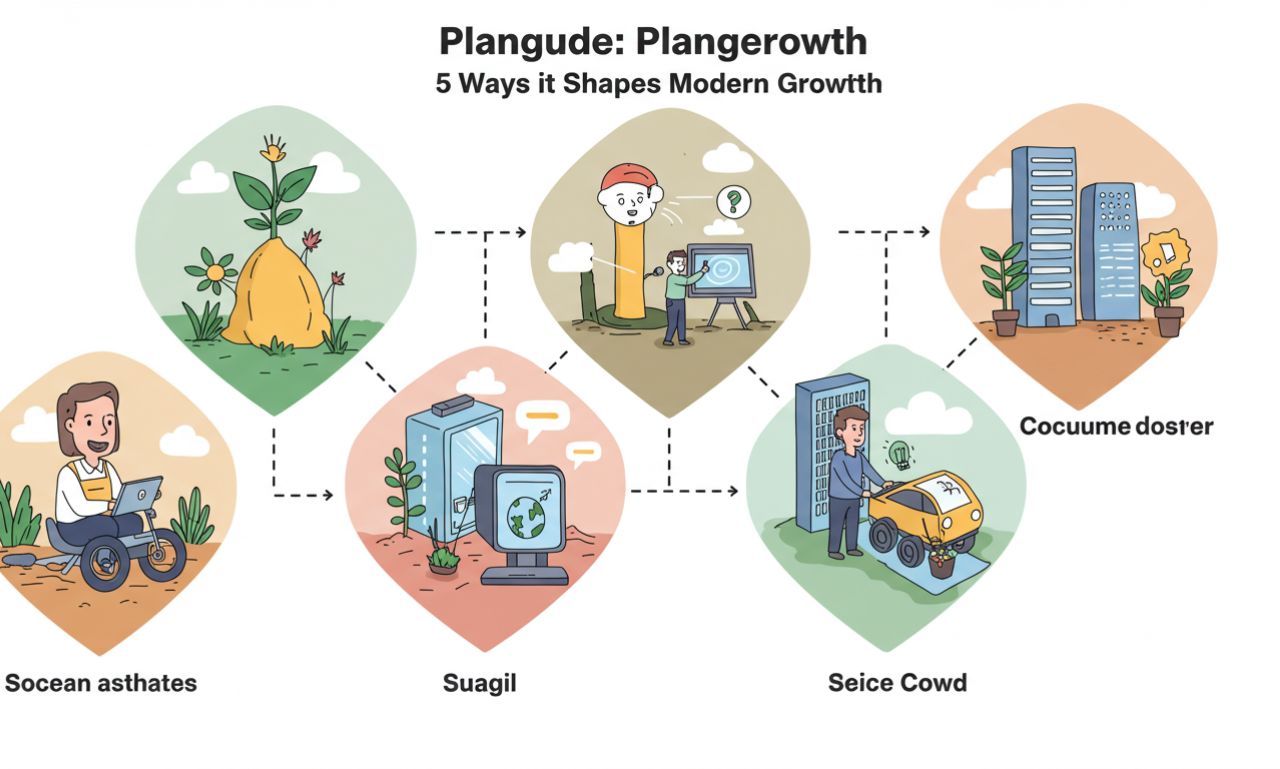
Plangud: 5 Ways It Shapes Modern Growth
Plangud is a term gaining attention in 2025 as a fresh approach to planning, growth, and sustainable innovation. While the word itself is relatively new, the concept behind plangud reflects a broader shift in how individuals and organizations set goals, manage resources, and embrace creativity.
In a world marked by rapid change, plangud offers a framework that blends strategy with flexibility. It encourages people to focus on long-term success while adapting to short-term challenges. This article explores what plangud means, why it matters, and five ways it is shaping modern growth.
What is Plangud?
Plangud refers to a structured yet adaptable approach to planning. Unlike rigid methods that often fail in fast-changing environments, plangud emphasizes balance between structure and innovation. The idea is to create strategies that guide decisions without limiting creativity.
In practice, plangud is applied in areas such as business growth, personal development, education, and even community projects. It provides a roadmap for moving forward while allowing flexibility when circumstances change.
This balance makes plan-gud relevant in 2025, where uncertainty is a constant factor in decision-making.
1. Plan-gud and Strategic Flexibility
Traditional planning models often break down when unexpected challenges arise. Plan-gud solves this by promoting strategic flexibility. Instead of locking people into rigid goals, it allows them to adapt strategies while keeping core values intact.
For example, a business using plan-gud can shift its marketing strategy if consumer behavior changes while still pursuing overall growth. Individuals can also adjust their personal development paths if opportunities or challenges emerge unexpectedly.
By blending long-term vision with short-term adaptability, plan-gud creates resilience.
2. Plangud for Personal Growth
Plangud isn’t only for businesses—it also helps individuals. In personal development, plan-gud encourages people to set goals with room for adjustment.
Instead of creating rigid life plans, plan-gud focuses on milestones. These milestones act as checkpoints that allow reflection and redirection when necessary. For example, someone pursuing a career shift may use plan-gud to explore multiple skills while gradually narrowing toward a chosen field.
This flexible system reduces stress, making personal growth less about perfection and more about progress.
3. Plangud in Business and Innovation
Businesses are turning to plangud as a method for staying competitive. In industries where technology evolves quickly, rigid planning often leads to missed opportunities. Plan-gud enables businesses to innovate continuously.
By applying plan-gud, organizations can test ideas in smaller stages, gather feedback, and refine before scaling up. This reduces risks while maximizing potential for success. Many startups in 2025 are adopting plan-gud because it combines structured vision with agile practices.
Innovation thrives under plan-gud because it provides both direction and freedom.
4. Plangud and Sustainable Practices
Another strength of plangud is its focus on sustainability. Planning is no longer about short-term gains but about creating systems that last. Plan-gud encourages resource management, ethical practices, and long-term environmental awareness.
For instance, companies using plan-gud integrate sustainability goals directly into their business models. Individuals may apply plan-gud by aligning lifestyle choices with environmental responsibility.
This emphasis on balance ensures that growth today does not compromise the future. In an era where climate and social issues are central, plan-gud offers a forward-thinking framework.
5. The Digital Side of Plangud
Digital tools make plangud easier to implement. Apps, project management software, and artificial intelligence provide real-time feedback that supports flexible planning.
For example, businesses using plan-gud may rely on data analytics to adjust marketing campaigns instantly. Individuals might use digital calendars and tracking tools to measure personal milestones.
This integration of technology makes plan-gud practical for modern life. It ensures planning is not static but evolves with available information.
Techniques of Plan-gud
Plan-gud can be practiced through different techniques:
-
Milestone Mapping: Breaking big goals into smaller, flexible checkpoints.
-
Scenario Planning: Preparing for multiple possible outcomes.
-
Agile Strategy: Borrowing from software development to apply rapid adjustments.
-
Feedback Loops: Using regular reflection sessions to refine direction.
-
Balanced Scorecards: Tracking both progress and adaptability.
Each technique ensures plan-gud is not just a theory but a method anyone can apply.
Challenges of Plangud
While plangud offers many advantages, it is not without challenges. One common issue is over-flexibility. If plans are adjusted too often, long-term goals may become unclear. Striking the right balance is essential.
Another challenge is discipline. Because plan-gud values adaptability, individuals and businesses must remain committed to their broader vision to avoid losing focus.
Finally, awareness is still limited. As plan-gud is a relatively new concept, not everyone understands how to implement it effectively. Training and education will be important for wider adoption.
The Future of Plangud
The future of plangud looks promising. With uncertainty shaping global markets, individuals and businesses alike need frameworks that balance vision with adaptability. Plan-gud provides exactly that.
We can expect more digital tools to integrate plan-gud methods, from AI-driven planning apps to online collaboration platforms. Educational institutions may also introduce plangud as part of leadership and management programs.
In 2025 and beyond, plan-gud may become a standard approach to decision-making, growth, and sustainability.
How Plangud Impacts Communities
Plangud isn’t just about individuals and businesses—it can also strengthen communities. Local projects often fail because plans are too rigid or lack long-term vision. Plan-gud encourages communities to set flexible goals that adapt to changing needs.
For example, a city might use plan-gud when planning green initiatives. By setting milestones and adapting strategies as new technologies or funding become available, communities can ensure steady progress without sacrificing flexibility.
This makes plan-gud not only a personal or business tool but also a social one.
Plangud and Leadership
Leadership in the 21st century requires adaptability, and plan-gud provides a useful framework. Leaders who adopt plan-gud focus on inspiring teams with a vision while allowing room for experimentation.
By encouraging feedback, embracing flexibility, and maintaining long-term focus, leaders can guide organizations through uncertainty. Plangud-based leadership empowers teams to innovate without losing direction.
This approach aligns with modern leadership values: collaboration, inclusivity, and resilience.
Conclusion
Plangud is a new way of thinking about planning, growth, and sustainability. It combines structure with adaptability, offering individuals, businesses, and communities a roadmap for success in uncertain times.
By focusing on flexibility, personal growth, innovation, sustainability, and digital integration, plan-gud stands out as a valuable approach in 2025. While challenges exist, its potential to reshape decision-making and strategy is undeniable.
Whether applied in personal development or global business, plan-gud offers a model for progress that is both practical and visionary.