
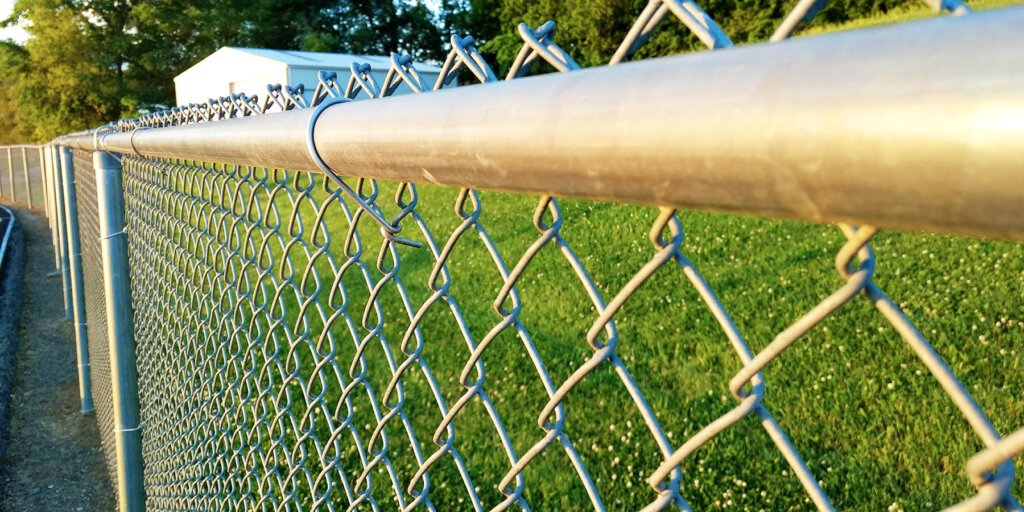
Chain Link Fencing for Chicago Commercial Properties: Security, Cost, and the Features Most Buyers Miss
Commercial property managers in Chicago face a straightforward but costly problem: they pick a fence based on price, skip over the spec sheet, and end up with a system that fails inspection, corrodes within a few years, or simply does not do the job it was installed to do. Working with a trusted fencing company like Americana Iron Works & Fence makes a measurable difference here, because the technical decisions that separate a functional commercial fence from an expensive mistake are rarely obvious to buyers who haven’t been through the process before.
This article covers what you actually need to know before committing to chain link for a commercial site in Chicago. That includes gauge ratings, coating options, height requirements, security add-ons, and a few features that most buyers never think to ask about until something goes wrong.
Why Chain Link Still Dominates Commercial Fencing in Chicago
Wrought iron gets the attention. Wood has the curb appeal. But chain link still accounts for a significant share of commercial fencing installations across Chicago, and for good reason.
The economics are hard to argue with. Chain link costs substantially less per linear foot than steel ornamental or wood privacy fencing, installs faster, and requires minimal maintenance when specified correctly. For large perimeters around warehouses, parking lots, utility yards, construction sites, or multi-unit housing complexes, that combination is nearly impossible to beat.
There’s also a practicality factor. Chain link provides visibility through the fence line, which matters for security camera coverage and site monitoring. A solid wood or panel fence creates blind spots. Chain link doesn’t.
The challenge is that not all chain link is the same. The range between a basic residential-grade installation and a properly specified commercial system is wider than most buyers expect.
The Gauge Problem: Where Most Commercial Buyers Get It Wrong
Wire gauge is the most frequently misunderstood specification in chain link purchasing. Lower gauge numbers mean thicker wire, which means a stronger, heavier, more durable fence.
Residential installations typically use 11-gauge or 12-gauge wire. That’s adequate for a backyard or garden perimeter. For commercial applications, 9-gauge is a more appropriate baseline, and high-security sites often specify 6-gauge or even heavier fabric.
The difference shows up quickly in practice. Thinner wire is easier to cut, deflects under pressure, and degrades faster in Chicago’s freeze-thaw cycles. A fleet yard or secured storage facility that installs 11-gauge wire to save money on the front end often faces replacement or reinforcement within a few years.
Post sizing matters equally. Commercial installations should use schedule 40 steel pipe, with terminal posts (corners, ends, gates) sized larger than line posts. The post spacing, depth, and concrete footing spec all affect how the system performs under lateral load, which Chicago winds will test repeatedly.
Coating Options and the Chicago Climate Factor
Bare steel chain link doesn’t last in Chicago. The city’s combination of road salt, humidity, freeze-thaw cycling, and industrial air quality creates an aggressive corrosion environment. Coating selection is one of the more consequential decisions in the spec process.
Galvanized chain link is the standard. Hot-dip galvanizing applies a thick zinc coating that bonds to the steel and provides solid corrosion resistance. For most commercial applications, hot-dip galvanized is the right baseline choice. It’s durable, widely available, and cost-effective over a multi-year horizon.
PVC-coated chain link adds a polymer layer over the galvanized wire. This combination improves corrosion resistance further, reduces glare, and gives the fence a cleaner visual finish. It also comes in color options, typically black or green, which some commercial properties and municipalities prefer for aesthetic compliance. The trade-off is higher upfront cost and the fact that any cut or breach in the PVC coating creates a corrosion entry point.
Aluminized steel is less common but worth knowing about for high-corrosion environments, particularly near water or industrial facilities.
For most Chicago commercial properties, hot-dip galvanized with a PVC coating offers the best balance of longevity and appearance. If the fence is in a high-visibility area or subject to local ordinance review, the color and finish options of PVC coating also provide more flexibility.
Height Requirements and Code Compliance
Chicago’s municipal code and specific zoning classifications govern minimum fence heights for commercial properties. Getting this wrong creates real liability exposure.
For general commercial perimeter fencing, six feet is a common minimum. Properties with specific security requirements, including certain industrial zones, utility infrastructure, or facilities handling controlled materials, often require eight feet or more. Some commercial applications also require barbed wire or razor wire topping, which introduces its own permit and approval requirements.
Before any commercial installation, it’s worth confirming:
- The applicable zoning classification for the property
- Any easement or right-of-way restrictions along the fence line
- Whether the fence requires a city permit (in Chicago, commercial fencing generally does)
- Any HOA, landlord, or tenant covenants that might restrict materials, height, or finish
Skipping this step is how property managers end up with a fence that passes the budget check but fails the inspection.
Security Features Most Buyers Never Ask About
Standard chain link is a deterrent, not a barrier. Anyone with bolt cutters and a few minutes can defeat it. For commercial properties with genuine security requirements, the system needs more than basic fabric and posts.
Barbed wire and razor wire extensions are the most common upgrades. Razor wire coils, sometimes called concertina wire, are significantly more effective than barbed wire for deterring climbing. Both require permits in Chicago and need to be installed at heights that comply with local ordinance.
Anti-climb topping plates are an option for properties where razor wire isn’t permitted or aesthetically acceptable. These angled extensions make the top of the fence difficult to grip without adding the visual aggression of barbed wire.
Tension wire and bottom rails address a different vulnerability: lifting the fence from the ground. Adding a bottom tension wire or a bottom rail significantly reduces the ability to push under the fabric, which is a common entry method at unstaffed sites.
Security fabric mesh with smaller openings is worth specifying for sites where tool access or small-item theft through the fence is a concern. Standard chain link has a two-inch diamond opening. Reducing that opening size slows hand access and makes tool insertion more difficult.
Gate hardware and access control is where many installations cut corners badly. A heavy-gauge fabric on quality posts is compromised immediately by a weak gate latch or a padlock hasp that can be defeated in seconds. Commercial gates should use industrial-grade hardware, and any automated or access-controlled entry point should be integrated into the overall security plan from the design stage.
Post Installation: What Ongoing Maintenance Actually Looks Like
One of chain link’s genuine selling points is low maintenance. But low maintenance is not zero maintenance, particularly in a Chicago climate.
An annual inspection should check for:
- Corrosion at post bases, where moisture collects
- Tension loss in the fabric, which indicates post movement or concrete failure
- Gate alignment drift, which affects both security and hardware longevity
- Coating breaches on PVC-coated installations
- Hardware corrosion at fittings, ties, and tension bands
Catching these issues early is far cheaper than addressing structural failure after the fact. A fence that looks intact visually can have significantly compromised post footings or gate hardware, and that’s not apparent until something fails.
What to Look for in a Commercial Chain Link Contractor
Not every fencing contractor operates at the commercial spec level. The distinctions that matter are fairly easy to verify upfront.
A qualified commercial contractor should carry full licensing, bonding, and insurance. This protects the property owner if anything goes wrong during or after installation. In Illinois, verify that the contractor holds an active license and ask specifically whether their insurance covers commercial work at the scale of your project.
Experience with permit procurement matters, too. A contractor who handles the permit process in-house reduces the coordination burden on the property manager and ensures the installation starts with the correct approvals in place.
In-house fabrication capability is particularly valuable for sites with non-standard gate requirements, custom heights, or unusual perimeter configurations. Chicago’s older commercial districts often feature irregular lot lines, alley access gates, and loading dock configurations that don’t fit off-the-shelf solutions.
If you’re comparing contractors, ask specifically about their commercial gauge specifications, their post sizing standards, and whether they provide written documentation of materials used. A contractor who can’t or won’t specify materials in writing before installation is one to approach cautiously.
For properties considering a full upgrade or initial installation, reviewing the range of options available from a specialist in commercial chain link fence is a practical starting point for understanding what the full scope of a well-specified system looks like.
Key Takeaways
- Wire gauge is the most commonly misspecified element in commercial chain link. Start at 9-gauge minimum for any commercial perimeter, and go heavier for high-security sites.
- Hot-dip galvanized with PVC coating offers the best long-term corrosion resistance for Chicago’s climate, particularly in high-visibility or high-moisture environments.
- Height and permit requirements are non-negotiable. Confirm zoning classification, easements, and permit requirements before installation begins.
- Security upgrades, including razor wire, tension wire, smaller mesh openings, and quality gate hardware, should be part of the design spec, not afterthoughts.
- Contractor qualification matters more than upfront price. Licensing, bonding, insurance, and material documentation are minimum requirements for any commercial installation.
Frequently Asked Questions
What gauge wire should I specify for a commercial chain link fence in Chicago? For standard commercial applications, 9-gauge wire is a reliable baseline. High-security perimeters, including fleet yards, utility sites, or facilities with significant theft risk, should consider 6-gauge or heavier. The post specification, footing depth, and hardware grade all need to scale alongside the fabric spec.
Does commercial chain link fencing in Chicago require a permit? Generally, yes. Chicago’s municipal code requires permits for most commercial fencing installations, particularly those exceeding a certain height or located along public-facing property lines. The permit process also triggers inspection, which means the installation must meet code specifications. Working with a contractor who handles permit procurement is worth it on any commercial project.
What’s the real lifespan difference between galvanized and PVC-coated chain link? Hot-dip galvanized chain link typically lasts 20 to 30 years under normal conditions. PVC-coated systems can extend that further in corrosive environments, but only when the coating remains intact. Mechanical damage to the PVC layer creates corrosion entry points, so regular inspection is important for maintaining the performance advantage.
Can chain link be used for a high-security perimeter without looking industrial? Yes. Black PVC-coated chain link with ornamental post caps and a clean gate design reads considerably better than raw galvanized fabric and is often acceptable in commercial districts with aesthetic guidelines. The security spec, including gauge, razor wire topping, and hardware, can still be heavy-duty underneath the cleaner visual finish.
How often does commercial chain link need to be inspected or maintained? Once per year is a reasonable minimum. Post-winter inspections are particularly valuable in Chicago, because freeze-thaw cycles stress concrete footings and accelerate surface corrosion. Any site with high traffic past the fence line, vehicle proximity, or active loading dock access should be checked more frequently for impact damage and gate alignment.
Closing Thoughts
Chain link is straightforward in concept and genuinely complicated in execution at the commercial level. The gaps between a system that works for five years and one that works for twenty-five come down to gauge, coating, post spec, and hardware quality, none of which are visible in a finished fence but all of which determine how the investment performs.
Chicago’s commercial property environment puts real demands on fencing. The climate is aggressive, the zoning requirements are specific, and the security stakes at many commercial sites are high enough that cutting corners in the spec process carries real consequences. Getting the details right from the start is always the smarter path.